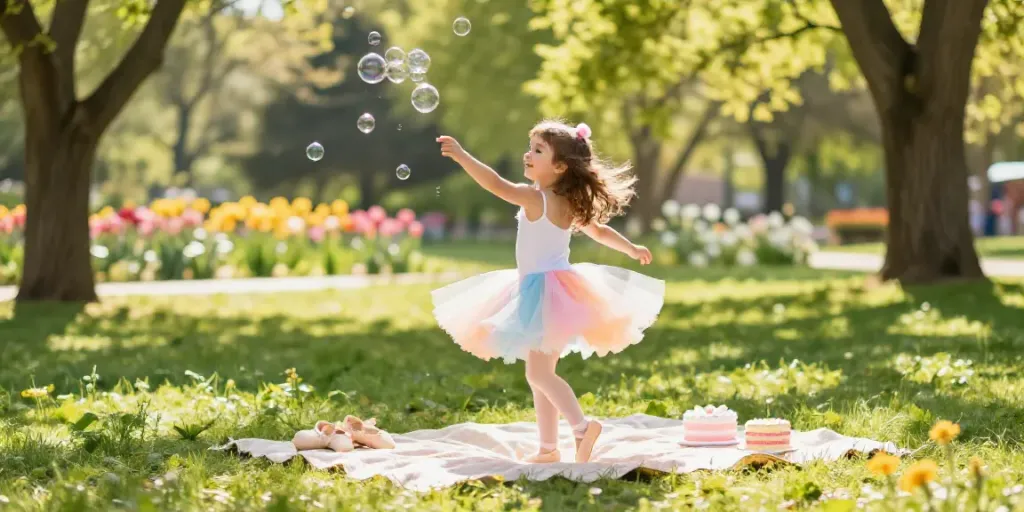
The Enchantment of Tutu Styles
Tutus have a timeless appeal that spans generations and styles, becoming synonymous with the world of dance and performance. Whether you are a parent seeking the perfect tutu for a budding ballerina or a professional dancer in search of a costume that embodies elegance and flair, understanding the various styles of tutus can enhance the overall experience. From classic designs that pay homage to historical performances to modern twists that incorporate contemporary fabrics, the tutu is more than just a costume; it’s a symbol of artistry and expression. When exploring options, tutu-store.com offers an extensive range of tutus that cater to different tastes and preferences.
1. Overview of Tutu Designs
Tutus come in several designs, each with unique characteristics that distinguish them. The most recognized styles include the classical ballet tutu, the romantic tutu, and the contemporary tutu. The classical ballet tutu is characterized by its stiff, short layers, often made from tulle, which gives it a bell-like shape—perfect for showcasing the dancer's movements during performances. In contrast, the romantic tutu features a softer, longer silhouette that drapes elegantly, often used in ballets like "Giselle" and "La Sylphide." Contemporary tutus break the mold by incorporating various materials, colors, and lengths, allowing for greater creativity and innovation in dance routines.
2. Popular Colors and Fabrics
The color and fabric of a tutu can significantly impact its appearance and suitability for different performances. Traditional colors such as white and pink remain popular, especially for younger dancers, symbolizing purity and innocence. However, modern tutus now come in a spectrum of colors tailored to specific performances, themes, or personal styles. Fabrics also play a crucial role—while tulle is the classic choice for its lightweight and airy quality, many designers are now experimenting with satin, organza, and even sequined materials to create eye-catching designs that dazzle on stage.
3. How to Choose the Right Tutu
Selecting the right tutu involves several considerations, including the dancer's age, skill level, and the intended use—whether for practice, performance, or recital. For beginners, it’s advisable to choose a more flexible and comfortable design that allows for movement. Dancers may also consider the color and style that best represents their personality. Additionally, understanding the fit is vital; tutus should be snug yet comfortable, ensuring that the dancer can perform without restrictions.
The Essential Role of Tutus in Dance
From the grand stages of ballet to the spirited performances of dance recitals, tutus hold a critical place in the art of dance. Their influence can be traced back to the origins of ballet, where they served not only as costumes but also as tools for storytelling and character portrayal.
1. Historical Significance of the Tutu
The tutu's evolution is deeply intertwined with the history of ballet itself. Originating in the 19th century, the first tutus were designed to accentuate the dancer's movements, with the length and shape evolving over time to suit changing aesthetic preferences. The modern ballet tutu, featuring layers of tulle, emerged as a means to allow for greater visibility of the dancer's legs and feet, crucial for showcasing intricate steps and techniques.
2. Types of Dance Requiring Tutus
While tutus are most commonly associated with ballet, they are also utilized in various forms of dance, including contemporary, jazz, and even certain theatrical productions. Each dance style will often dictate the design and fabric of the tutu, showcasing the versatility of this classic costume. For instance, more structured tutus are favored in ballet, while softer, flowing designs might be preferred in contemporary dance.
3. Benefits of Wearing a Tutu for Performances
Beyond their aesthetic appeal, tutus offer practical benefits for dancers. The design and structure of a tutu can enhance a dancer's movements, allowing for a wider range of motion and grace. Additionally, tutus often help convey the thematic elements of a performance, making them a vital part of the storytelling process on stage. Wearing a tutu can also instill confidence in dancers, allowing them to embody their characters fully and embrace the performance experience.
Shopping for Tutus: What to Look For
When considering a tutu purchase, it's essential to evaluate factors that will ensure both quality and satisfaction. The market is filled with options ranging from basic designs to elaborate, custom-made pieces, making it crucial to know what to prioritize in your shopping journey.
1. Quality vs. Affordability
While budget is an important factor, investing in a high-quality tutu often pays off in the long run. Cheaper options may save money initially, but they can lead to wear and tear—resulting in a need for replacement sooner than expected. High-quality tutus are constructed with durable fabrics and attention to detail, ensuring they withstand rigorous use while still maintaining their appearance. Therefore, it’s wise to balance affordability with quality when making your purchase.
2. Sizing Guidelines for Different Ages
Getting the right size is crucial, especially for growing dancers. Most brands, including those found on tutu-store.com, provide detailed sizing charts that consider age, height, and waist measurements to help you find the perfect fit. It's advisable to measure your dancer accurately and consult the specific sizing guide provided by the retailer to ensure the best fit.
3. Customization Options Available at Tutu-Store.com
Customization has become a trending option for those looking to express individuality through their tutus. Tutu-Store.com offers various options that allow customers to choose colors, fabrics, and embellishments, ensuring that each tutu is unique. Customization can be particularly beneficial for performance groups requiring matching costumes, as it allows for variations in size and design while maintaining a cohesive look.
Care and Maintenance of Your Tutu
To ensure that your tutu remains in excellent condition for performances and practices, proper care and maintenance are essential. Neglecting care can lead to damage that may be costly to repair.
1. Washing and Storing Your Tutu
Most tutus require gentle washing to prevent damage to their structure. Hand washing in cold water with mild detergent is often recommended. After washing, it's important to reshape the tutu and hang it to dry, avoiding any direct heat sources that could warp the fabric. When storing, keep the tutu in a breathable garment bag to protect it from dust and physical damage, ensuring it retains its shape.
2. Repair Tips for Common Tutu Issues
Over time, tutus may experience wear and tear, such as loose seams or fraying fabric. Basic sewing skills can help address these issues; reinforcing seams and correcting small tears can extend the life of your tutu significantly. For more complex repairs, seeking the help of a professional can ensure that the tutu is restored to its original condition without compromising its design.
3. Seasonal Care for Long-lasting Wear
Dancers often wear tutus seasonally for various performances. It’s essential to assess the tutu’s condition before and after each season. Consider rotating tutus during use to prevent overuse of a single piece, and keep an eye out for any potential damage that may require repairs or replacements. Keeping tutus in good condition during the off-season will ensure they are performance-ready when needed.
Trends and Innovations in Tutu Fashion for 2026
Tutus continue to evolve, with designers and brands embracing new trends that reflect contemporary fashion and environmental awareness. For those interested in the latest styles, staying informed about emerging trends can enhance your selection.
1. Eco-Friendly Fabrics and Ethical Sourcing
As sustainability becomes a priority in fashion, many tutu manufacturers are exploring eco-friendly fabrics and ethical sourcing practices. Organic cotton, bamboo, and recycled materials are being utilized to create beautiful tutus without compromising environmental integrity. Investing in eco-friendly tutus is not only beneficial for the environment but also resonates with a socially conscious audience.
2. The Rise of Customizable Tutus
In response to a growing demand for personalized fashion, the market for customizable tutus is flourishing. Dancers and their families can select from various styles, colors, embellishments, and lengths, resulting in unique pieces that reflect individual styles and preferences. Customizable options provide an opportunity for self-expression and creativity.
3. Future of Tutus in Competitive Dance
As competitive dance grows in popularity, the role of tutus is likely to expand even further. Innovative designs that incorporate technology, such as LED lights or interactive elements, may become more common in performance settings. Additionally, choreography that integrates tutus in unique and unexpected ways will continue to push the boundaries of traditional dance, showcasing the versatility of this classic garment.
What types of tutus does Tutu-Store.com offer?
Tutu-Store.com provides an extensive selection of tutus ranging from classic ballet designs to trendy contemporary styles, catering to all ages and skill levels.
Are tutus at Tutu-Store.com suitable for various ages?
Yes, the boutique offers tutus designed for toddlers to adults, ensuring that every dancer can find a suitable piece that fits well and performs beautifully.
How can I care for my tutu to ensure it lasts?
Proper care includes gentle hand washing, careful drying, and appropriate storage. Regular maintenance such as checking for frays or loose threads will also help prolong your tutu’s life.
What are the latest trends in tutu designs for 2026?
Expect to see a surge in eco-friendly fabrics, customizable designs, and innovative approaches to costume integration in competitive dance settings.
Can I customize my tutu order at Tutu-Store.com?
Absolutely! Tutu-Store.com offers customization options to help you create a tutu that perfectly fits your style and preferences.