Understanding Mini Split AC Systems
As climate change continues to affect weather patterns, homeowners and business owners alike are seeking efficient, innovative solutions for heating and cooling their spaces. One such solution is the mini split AC system, a popular choice for those wanting to enhance their indoor climate control without the complexities of traditional air conditioning systems. This article provides an in-depth look at mini split AC systems, exploring their functionality, benefits, and how to select the right system for your needs. When exploring options, the mini split ac system offers comprehensive insights and models to consider.
What is a Mini Split AC System?
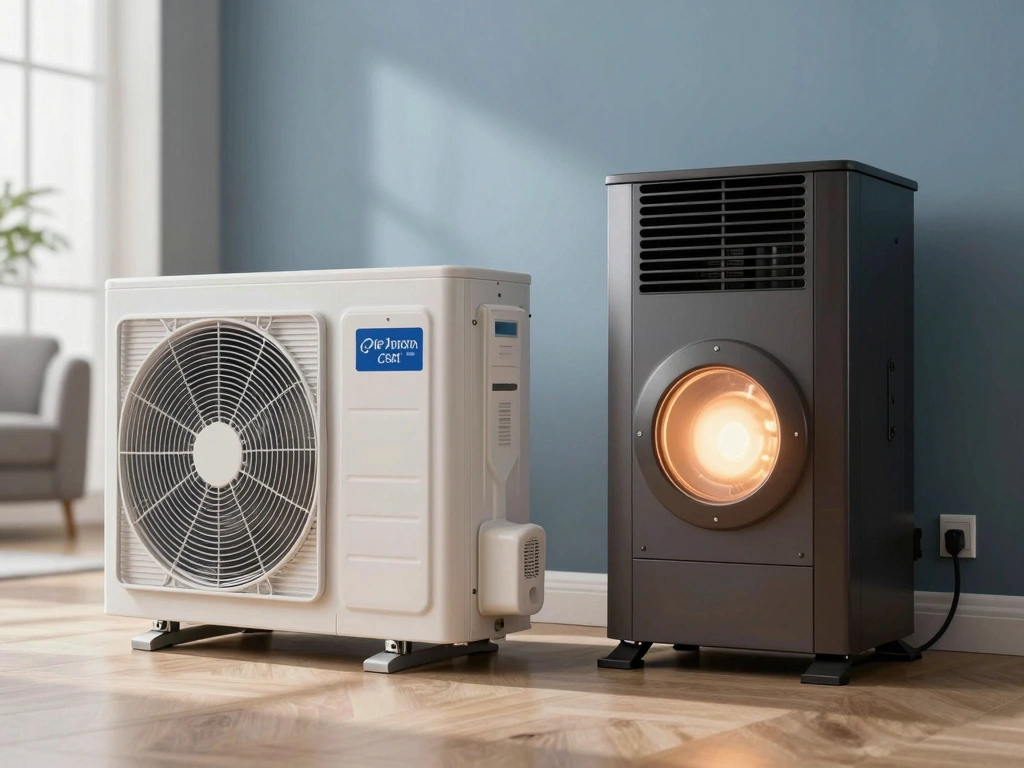
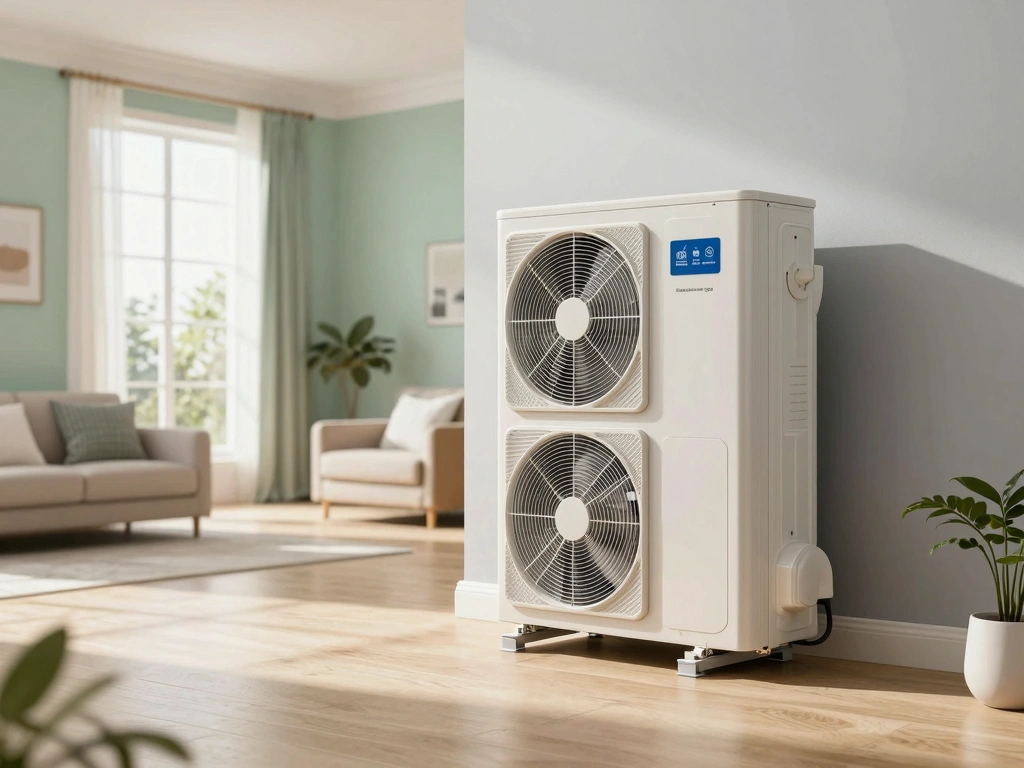
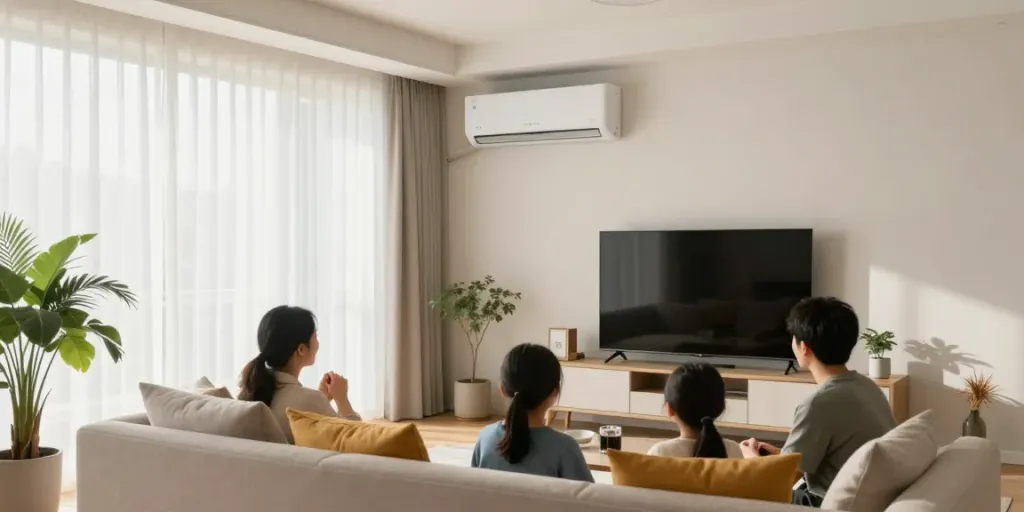
A mini split AC system is a type of ductless heating and cooling unit that provides temperature control for individual rooms or zones. Typically made up of two main components—an outdoor condenser unit and one or more indoor air handlers—this system allows for efficient heating and cooling without the need for extensive ductwork. Its design makes it an ideal solution for both residential and commercial spaces.
How Mini Split Systems Work
Mini split AC systems operate using a heat pump mechanism. The outdoor unit absorbs heat from the air outside, which is then transferred to the indoor units through refrigerant lines. In cooling mode, the system works by reversing this process—removing heat from the indoor air and expelling it outside. This two-way functionality enables the mini split system to provide both heating and cooling, making it a versatile option for year-round climate control.
Benefits of Using Mini Split AC Systems
- Energy Efficiency: Mini splits are known for their high energy efficiency ratings, often leading to reduced energy costs compared to traditional HVAC systems.
- Flexible Installation: Without the need for ductwork, these systems can be installed in various configurations to suit the layout of your home or office.
- Individual Zoning: Each indoor unit can be controlled separately, allowing for customized comfort in different rooms.
- Improved Air Quality: Mini split systems often include filters that help reduce allergens and contaminants in the air, contributing to better indoor air quality.
Choosing the Right Mini Split AC System
Selecting the right mini split AC system involves understanding your specific needs and the available options on the market. Various factors contribute to the decision-making process, including size, capacity, efficiency, and brand reputation.
Factors to Consider When Selecting a Mini Split AC
- Cooling and Heating Capacity: Measured in BTUs (British Thermal Units), ensure the system you choose can adequately cool or heat your space based on its size.
- Energy Efficiency Ratio (EER): Look for models with higher EER ratings to ensure effective energy consumption.
- Noise Levels: Different models can produce varying decibel levels. Opt for quieter models, especially for bedrooms or office spaces.
- Installation Requirements: Consider whether you will be hiring professionals or opting for a DIY installation.
Comparing Brands and Models of Mini Split AC Systems
When selecting a mini split AC system, it's essential to compare different brands and models. Brands like Daikin, Mitsubishi, and LG are renowned for their reliability and performance. Each brand offers various models tailored for different needs, from budget-friendly options to high-end units equipped with advanced features.
Energy Efficiency Ratings Explained
The energy efficiency of mini split systems is expressed through various metrics, including SEER (Seasonal Energy Efficiency Ratio) for cooling and HSPF (Heating Seasonal Performance Factor) for heating. Higher SEER and HSPF ratings indicate more efficient systems, which often result in lower energy bills over time.
Installation Process for Mini Split AC Systems
Installing a mini split AC system can be a straightforward process, but it requires careful planning. Understanding whether to hire a professional or undertake a DIY installation is crucial for ensuring optimal system performance.
Professional vs. DIY Installation
While some homeowners may opt for DIY installation, hiring a professional is often recommended, especially for those unfamiliar with HVAC systems. Professionals can ensure that the refrigerant lines are correctly installed and the unit is optimally positioned for efficiency. Additionally, professional installation often comes with warranties and guarantees that protect your investment.
Installation Tips for Optimal Performance
- Placement of Indoor Units: Position indoor units in locations that allow for efficient airflow throughout the room.
- Outdoor Unit Location: Ensure the outdoor unit is placed in a well-ventilated area free from obstructions.
- Insulation: Properly insulate refrigerant lines to minimize energy loss.
Common Installation Mistakes to Avoid
One of the most common mistakes during installation is incorrect sizing of the system. Oversized or undersized units can lead to inefficient operation and increased energy costs. Additionally, failing to level the outdoor unit can lead to operational issues and noise.
Maintenance Tips for Mini Split AC Systems
Regular maintenance is crucial for prolonging the life of your mini split AC system and ensuring it continues to perform efficiently. Understanding how to care for your system can prevent costly repairs down the line.
Routine Maintenance Checklist
- Clean or Replace Filters: Depending on usage, filters should be cleaned or replaced every 1-3 months.
- Inspect Refrigerant Levels: Low refrigerant levels can indicate leaks, which require professional attention.
- Examine Drain Lines: Clear any blockages in the drainage system to prevent water damage and mold growth.
Signs Your Mini Split Needs Repair
Watch for signs that indicate your mini split AC system may require repairs, such as unusual noises, reduced cooling or heating efficiency, and increased energy bills. Addressing these issues promptly can prevent further damage and higher repair costs.
Best Practices for Long-Term Care
Implementing a regular maintenance schedule and keeping a close eye on system performance can ensure the longevity of your mini split AC system. Engaging a professional for annual check-ups is also advisable.
Future Trends in Mini Split AC Technology
The mini split AC market is evolving, driven by technological advancements and growing consumer preferences for energy efficiency and smart home integration.
Emerging Innovations in Mini Split Systems
Innovations in mini split technology include variable refrigerant flow (VRF) systems, which allow for more precise temperature control and increased energy savings. Additionally, improvements in inverter technology are making systems quieter and more efficient.
Impact of Smart Home Integration
As smart home devices become more prevalent, mini split systems are increasingly being designed to integrate with smart home technology. This allows users to control their heating and cooling systems via smartphone apps, voice commands, and more, enhancing convenience and energy management.
Predictions for Mini Split AC Market in 2026
By 2026, experts predict that the demand for mini split systems will continue to rise, driven by increased awareness of energy efficiency and the desire for environmentally friendly options. As technology advances, consumers can expect even smarter, more efficient systems to hit the market.
What are the downsides of a mini split AC system?
Despite their numerous benefits, mini split systems do have some downsides. Initial installation costs can be higher than traditional ducted systems, and the indoor units can sometimes be considered an eyesore if not strategically placed. Additionally, regular maintenance is needed to ensure optimal performance.
What is the typical cost of installing a mini split system?
The cost to install a mini split AC system can vary significantly based on factors such as the number of zones, system capacity, and labor costs. On average, homeowners can expect to pay between $2,000 and $5,000 for a complete system installation, depending on the chosen model and any additional features.
What is a mini split AC system?
A mini split AC system is a versatile, compact HVAC solution that provides efficient cooling and heating without the need for ductwork. It is made up of an outdoor compressor and one or more indoor units, offering homeowners control over their indoor climate.
Why is my electric bill so high with mini split?
High electric bills when using a mini split AC system can result from several factors, including incorrect sizing, overuse, or maintenance issues such as dirty filters or low refrigerant levels. Monitoring system performance and ensuring regular maintenance can help mitigate these costs.