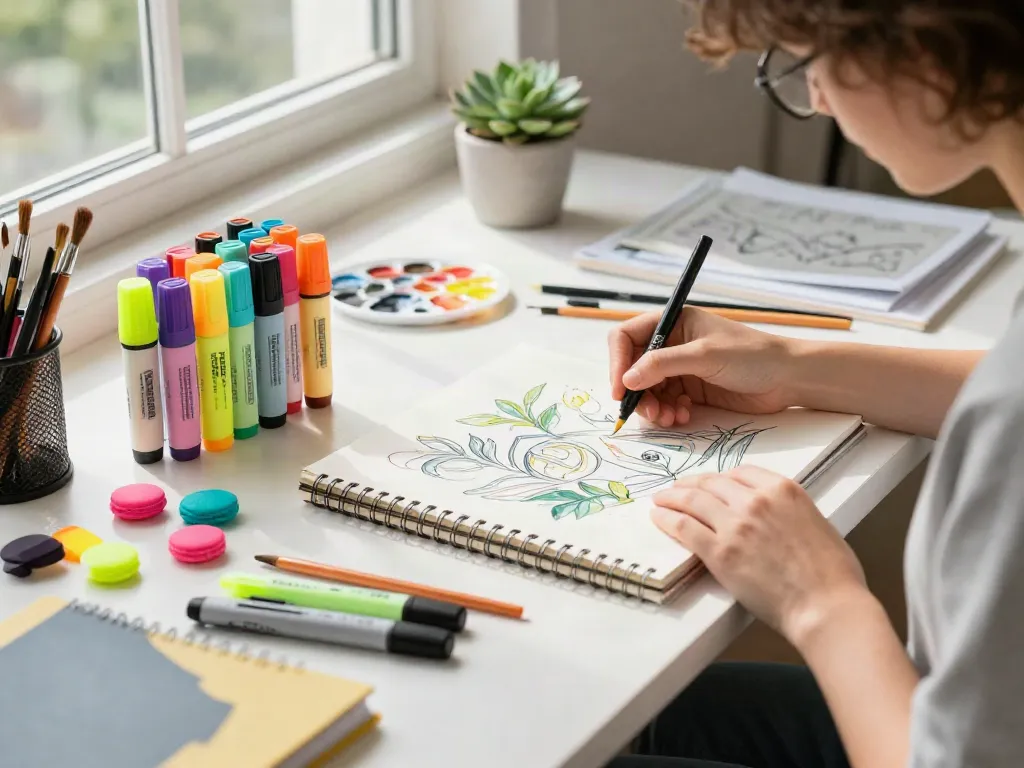
Understanding the Highlighter Manufacturing Process
Highlighters have become a staple in the world of stationery and professional tools, enabling users to emphasize key points, create visual notes, and organize their thoughts. As a prominent highlighter manufacturer, we at Highlighter Seeking understand the intricate processes that go into producing these essential writing tools. This section will explore the materials, quality control measures, and innovations that characterize highlighter manufacturing in 2026.
The Materials Used for Highlighters
The foundation of any highlighter lies in its materials. Highlighters typically consist of a plastic body, a felt or fiber tip, and a water-based ink that is often fluorescent. The ink formulation is vital as it determines the vivacity and transparency of the highlight. Manufacturers are increasingly opting for non-toxic and eco-friendly inks to appeal to conscientious consumers. Additionally, the choice of plastic used for the body impacts both durability and recyclability, with many companies moving towards recycled materials.
Quality Control in Highlighter Production
Ensuring quality is a critical aspect of highlighter manufacturing. This process involves multiple stages of inspection, including raw material checks, in-process quality assessments, and final product testing. Manufacturers often implement strict quality control protocols to ensure that the highlighters meet industry standards and customer expectations. Each pen is tested for ink flow, cap fit, and color accuracy, guaranteeing that the final product is reliable and performs well in various applications.
Innovations in Highlighter Manufacturing Techniques
As the stationery industry progresses, so do the manufacturing techniques employed by highlighter manufacturers. Automation and advanced machinery have allowed companies to increase production efficiency and reduce costs. Furthermore, innovations like precision molding and advanced ink formulations enable the creation of highlighters that dry quickly, are smear-resistant, and offer a wider range of colors, including trendy hues and pastels that appeal to younger consumers.
Types of Highlighters Available in 2026
In 2026, the highlighter market is rich with variety, catering to different user needs and preferences. From traditional options to innovative new products, the following sections delve into the various types of highlighters available today.
Traditional Highlighter Pens
Traditional highlighter pens remain popular for their simple design and efficacy. Typically available in a spectrum of neon colors, these pens are favored for their bold visibility. They are commonly used by students, professionals, and anyone needing to make important notes stand out. The refillable design of many traditional highlighters also appeals to eco-conscious consumers.
Erasable Highlighters: Benefits and Features
Erasable highlighters have gained popularity due to their unique capability to be erased after marking. This feature is particularly useful for students who often change their study materials or for professionals who need to revise documents frequently. These highlighters use special ink that can be removed with an eraser, allowing for flexibility in note-taking and minimizing waste.
Trendy Macaron Color Series: An Overview
In response to consumer trends, many manufacturers have introduced fashionable color series, including the Macaron Color series, characterized by softer and pastel hues. These highlighters appeal to a younger demographic and are perfect for artistic expression in bullet journaling and creative projects. Their gentle tones provide a visually pleasing alternative to harsh neon shades, making them ideal for presentations and aesthetically-focused work.
Choosing the Right Highlighter for Your Needs
With a multitude of options available, selecting the right highlighter can be daunting. Understanding the different types and their applications is key to making an informed decision.
Understanding Different Highlighter Types
Different highlighters cater to varied applications. For instance, traditional neon highlighters are perfect for standard note-taking, while erasable highlighters are excellent for dynamic environments where changes are frequent. Artists may prefer pastel options for their softer aesthetic, while students might prioritize those that offer boldness and reliability.
How to Evaluate Quality in Highlighters
When assessing highlighters, consider factors such as ink consistency, tip durability, and cap security. Quality highlighters should not dry out quickly, should provide smooth ink flow, and should have tips that withstand repeated use without fraying. User reviews and brand reputation also serve as vital indicators of quality.
Common Uses for Highlighters in Various Fields
Highlighters find utility across diverse fields, including education, corporate environments, and creative pursuits. In academic settings, they are indispensable for underlining key concepts in textbooks and lecture notes. In corporate environments, they facilitate document reviews and presentations. Artists use them to create vibrant visual notes or to enhance their creative projects.
Trends in the Highlighter Market for 2026
The highlighter market continues to evolve, driven by consumer preferences and technological advancements. Key trends shaping the industry in 2026 include sustainability, customization, and innovative functionalities.
Eco-Friendly Highlighter Manufacturing Practices
With increasing awareness of environmental issues, many highlighter manufacturers are shifting toward eco-friendly practices. This includes using biodegradable materials, non-toxic inks, and recyclable packaging. Brands are also exploring ways to reduce their carbon footprints in manufacturing and distribution, responding to consumer demands for sustainable products.
Customization and Private Labeling Options
Customization has become a significant trend in the highlighter industry. Businesses and organizations are now able to request private labeling options that allow them to brand highlighters according to their identity. This trend not only promotes brand visibility but also offers consumers unique product choices that align with their preferences.
Future Trends in Highlighter Colors and Features
As consumer tastes evolve, the colors and features of highlighters are also changing. In 2026, we can expect to see even more vibrant and unique colors, alongside innovative features like dual-ended tips and scented inks. These advancements cater to users seeking more than just functionality but also an enjoyable and aesthetic writing experience.
Frequently Asked Questions
Where are highlighters manufactured?
Highlighters are manufactured across the globe, with significant production centers in countries like China, Germany, and the United States. Each region tends to focus on specific styles or types of highlighters, influenced by local consumer demand and manufacturing capabilities.
What types of highlighters are best for artists?
Artists typically prefer highlighters with softer colors, such as those found in the Macaron Color series, as they complement artistic projects without overwhelming the visual elements. Highlighters with fine tips are also favored for detailed work.
How do erasable highlighters work?
Erasable highlighters utilize specially formulated ink that allows it to be removed by an eraser-like tool. Users can highlight text and later erase it cleanly, making them ideal for anyone needing flexibility in their work.
What innovations can we expect in highlighter manufacturing?
Future innovations may include automated production processes, advanced ink formulations for longer-lasting use, and enhanced ergonomics in design. Manufacturers are also likely to explore unique functionalities like multi-colored tips and refillable options.
Which highlighter colors are trending in 2026?
In 2026, softer pastel tones, alongside bold neons, are trending in the highlighter market. Colors like lavender, mint green, and peach are particularly popular due to their aesthetic appeal and versatility in both professional and creative settings.