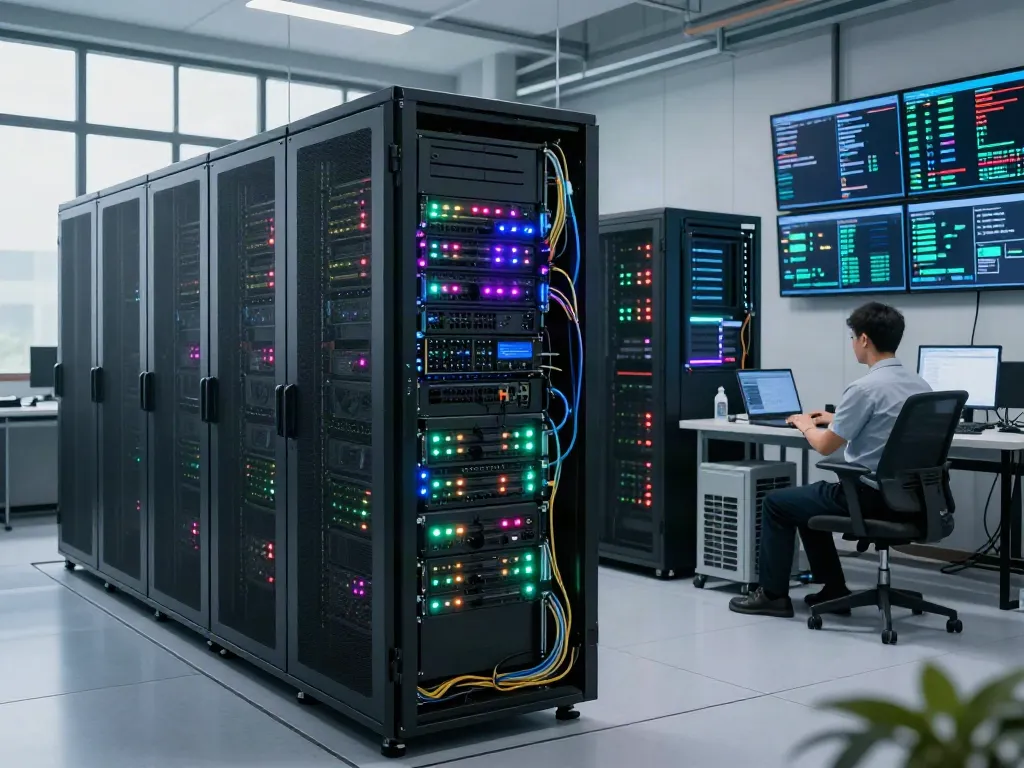
Understanding AI Data Centers
As artificial intelligence (AI) continues to grow and impact various sectors, the importance of dedicated facilities known as AI data centers has become increasingly critical. These specialized centers house the IT infrastructure necessary to support AI's demanding computational needs, enabling businesses to harness the power of machine learning and deep learning technologies. When exploring options, AI data center provide comprehensive insights into the infrastructure required for building intelligent systems.
What is an AI Data Center?
An AI data center is tailored specifically to the unique requirements of AI workloads, which often involve high-density computations and data processing. Unlike traditional data centers, which are designed to handle a variety of computing tasks, AI data centers prioritize the performance and efficiency needed for AI training and inference. They primarily utilize Graphics Processing Units (GPUs) or specialized AI chips to execute complex algorithms and process vast datasets.
The Role of AI Data Centers in Modern Computing
In today's data-driven economy, AI data centers play a pivotal role in enabling organizations to develop and deploy AI applications effectively. These centers facilitate significant advancements in fields such as healthcare, finance, and transportation by providing the computational power necessary for processing large volumes of data. Moreover, as AI technologies evolve, so do the capabilities of these dedicated facilities.
Key Features of AI Data Centers
- High-performance computing: Equipped with powerful GPUs and optimized hardware, AI data centers can handle complex computations required for machine learning algorithms.
- Scalable architecture: These centers are designed to expand seamlessly, allowing organizations to increase their compute capacity in response to growing demand.
- Energy efficiency: AI data centers utilize advanced cooling and power management techniques to optimize energy consumption while maintaining performance.
- Robust networking: With high-speed connections and low latency, AI data centers ensure rapid data transfer between devices and systems, enhancing processing speeds.
Benefits of AI Data Centers
Scalability and Flexibility in Infrastructure
The scalability of AI data centers is one of their most significant advantages. Organizations can easily adjust their resources based on changing business needs, allowing for quick adaptation to new AI technologies and workload demands. This flexibility ensures that enterprises can maintain competitive edge without over-investing in infrastructure.
Energy Efficiency and Sustainability Practices
In an era where environmental considerations are paramount, many AI data centers are leading the charge in implementing sustainable practices. Through optimized power usage and innovative cooling systems, they minimize their carbon footprint while supporting high-performance computing. This commitment to sustainability is becoming increasingly important to consumers and stakeholders alike.
Cost-Effectiveness Compared to Traditional Data Centers
Investing in an AI data center can be more cost-effective than maintaining a traditional data center. With specialized equipment designed for AI workloads, these facilities often reduce the need for extensive hardware and maintenance costs. Furthermore, the efficiency gained through their operations can lead to significant cost savings over time.
How AI Data Centers Work
Core Technologies Behind AI Data Processing
At the heart of AI data centers is a combination of cutting-edge hardware and software technologies. GPUs are crucial for training machine learning models, providing the parallel processing power necessary for handling complex computations. Additionally, machine learning frameworks and AI programming languages are employed to streamline the development and deployment of AI applications.
Architecture of AI Data Centers Explained
The architecture of AI data centers typically incorporates several layers of technology, including compute nodes, storage systems, and networking components. Each layer works together to ensure that data flows smoothly and efficiently, allowing for real-time processing and analysis. The integration of cloud services also offers added flexibility and remote accessibility.
Power Management and Cooling Solutions
Efficient power management is critical in AI data centers, as the energy demands can be substantial. Advanced cooling technologies, such as liquid cooling and hot aisle containment, are employed to maintain optimal operating temperatures. These systems not only ensure the longevity of hardware but also contribute to overall energy efficiency.
Challenges in AI Data Centers
Common Misconceptions About AI Data Centers
Despite their advantages, there are several misconceptions about AI data centers. For instance, many people believe that they are only suitable for large enterprises, while in reality, these facilities can support organizations of all sizes. Additionally, the perception that AI data centers are prohibitively expensive often overlooks the long-term cost savings and operational benefits they can provide.
Operational Risks and Management Strategies
Operating an AI data center involves several risks, such as fluctuating electricity costs, potential hardware failures, and cybersecurity threats. To mitigate these risks, robust management strategies should be implemented, including regular maintenance schedules, disaster recovery plans, and stringent security protocols. Ensuring a well-rounded approach to risk management is vital for the success of any AI data center.
Future Trends and Evolving Technologies
The future of AI data centers looks promising, with various emerging technologies poised to transform their operations. Quantum computing, for instance, has the potential to revolutionize data processing speeds, while developments in AI hardware, such as neuromorphic chips, could significantly enhance computation capabilities. Staying informed about these advancements will be crucial for organizations looking to remain competitive in the AI landscape.
Getting Involved with AI Data Centers
Choosing the Right AI Data Center Provider
Selecting an AI data center provider requires careful consideration of several factors, including performance capabilities, scalability options, and cost structures. Organizations should evaluate potential providers based on their specific needs and operational goals, conducting thorough research and seeking recommendations when necessary.
Participation Models for Individuals and Businesses
AI data centers often offer various participation models that cater to both individuals and businesses. These models may range from full ownership and operation to shared access arrangements, allowing different stakeholders to engage with AI infrastructure based on their resource availability and objectives.
Measuring Contributions and Rewards in AI Infrastructure
Understanding how contributions are measured in a collaborative AI environment is essential for individuals and enterprises alike. Many platforms employ token-based systems to track resource contributions and performance, ensuring participants are rewarded fairly for their involvement in AI projects.
What is the AI data center?
The AI data center is a specialized facility that houses the computational resources required to run AI applications, characterized by high-performance computing, scalable architecture, and robust infrastructure.
Where are most AI data centers located in the US?
Many AI data centers are strategically located in areas with access to renewable energy sources and robust infrastructure, including states like California, Texas, and Virginia. These locations offer optimal conditions for housing high-density computing needs.
Who is the largest AI data center?
As of 2026, the largest AI data center is likely to be determined by the number of GPU units and processing power. Several tech giants, such as Google and Amazon, are continuously expanding their AI-focused facilities, making it challenging to pinpoint a singular largest facility.
What does Trump say about data centers?
Public officials, including former President Trump, have addressed the significance of data centers in economic development, emphasizing the role of technology infrastructure in job creation and innovation. Understanding these perspectives can provide insights into the broader implications of AI data centers on society.
How do AI data centers impact the environment?
AI data centers can have significant environmental impacts, particularly related to energy consumption and heat generation. However, advancements in renewable energy integration and cooling solutions are helping to mitigate these effects, paving the way for more sustainable operations.