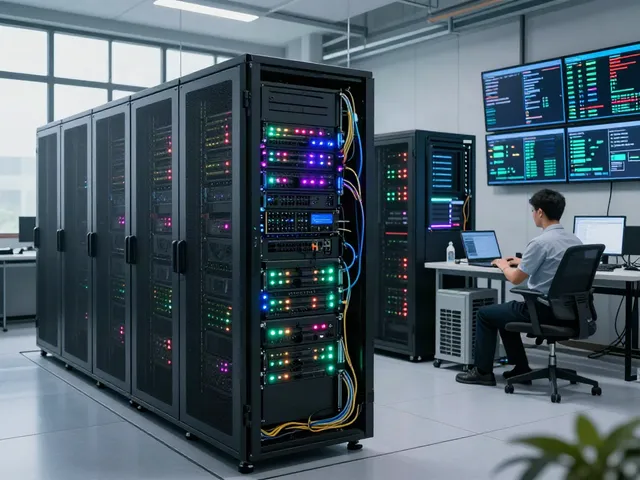
Understanding Deepfake Technology and Its Implications
As digital communication becomes ubiquitous, the rise of advanced AI technologies, particularly deepfakes, poses significant challenges. Deepfakes use artificial intelligence and machine learning to create highly realistic but fabricated audio and video content, enabling malicious actors to impersonate individuals and manipulate real-time communications. This technology is being increasingly exploited in online video calls and meetings, raising urgent concerns about security and authenticity. The need for Deepfake protected Online Video Calls, Meetings and Conferencing cannot be overstated as businesses strive to secure their digital interactions.
What Are Deepfakes and How Do They Work?
Deepfake technology leverages deep learning, a subset of machine learning involving neural networks, to synthesize realistic facsimiles of people’s voices and appearances. By training on large datasets, these algorithms learn to replicate facial movements, vocal patterns, and even nuances in expressions. This capability allows for the real-time generation of deceptive audiovisual content, which can convincingly mimic an individual's likeness during live video calls.
The Rise of Deepfake Threats in Virtual Meetings
The pervasiveness of virtual meetings, accelerated by the global shift to remote work, has opened new avenues for deepfake exploitation. From impersonating executives during critical transactions to manipulating public figures in live broadcasts, deepfake threats are becoming increasingly sophisticated and difficult to detect. As organizations continue to adopt video conferencing, ensuring the integrity of these platforms is paramount.
Misinformation and Security Risks of Deepfake Technology
The ramifications of deepfake technology extend beyond mere impersonation. Misinformation can proliferate rapidly through manipulated videos, leading to reputational damage, financial loss, and erosion of trust in digital communications. Security risks associated with deepfakes are particularly alarming, as cybercriminals can leverage this technology to authorize fraudulent transactions or breach sensitive corporate data.
Essential Features of Deepfake Protection in Video Conferencing
Real-time Detection Systems and Their Importance
Implementing real-time detection systems is crucial to counteract deepfake threats. These systems utilize AI algorithms designed to analyze video streams for irregularities that may indicate manipulation. Features such as facial recognition, voice consistency checks, and behavioral analysis can help organizations identify and deter potential fraud during online meetings.
User Authentication Methods to Enhance Security
Authentication methods play a vital role in safeguarding video communication. Multi-factor authentication (MFA), which requires users to provide multiple forms of identification, significantly reduces the risk of unauthorized access. Additionally, employing biometric verification, such as facial recognition or voice recognition, adds an extra layer of security, ensuring that only legitimate participants can join sensitive discussions.
Data Encryption Techniques in Online Meetings
Encryption is another crucial aspect of securing online video calls against deepfake threats. End-to-end encryption ensures that communication remains confidential, thereby preventing any unauthorized interception or tampering. By implementing robust data encryption protocols, organizations can maintain the integrity of their video conferences, safeguarding sensitive information from prying eyes.
Best Practices for Secure Virtual Meetings
How to Choose the Right Software for Deepfake Protection
Selecting the appropriate video conferencing software is fundamental for deepfake protection. Organizations should evaluate platforms that prioritize security features, including integrated AI-driven deepfake detection systems and strong authentication measures. Conducting thorough assessments, including trials and demonstrations, can lead to informed decisions that align with specific security needs.
Creating Secure Meeting Protocols and Guidelines
Establishing clear protocols and guidelines for virtual meetings enhances security awareness among participants. This includes protocols for verifying identities before discussions, using secure links for invitations, and regularly updating access controls. Additionally, cultivating a culture of vigilance among employees helps in fostering a proactive approach to identifying potential deepfake threats.
Training Employees on Recognizing Deepfake Threats
Ongoing training and education are crucial components of an effective deepfake protection strategy. Organizations should provide employees with resources to recognize deepfake characteristics and potential red flags during video calls. Training sessions should encompass practical exercises and real-world scenarios, empowering employees to respond appropriately in the event of suspicious activity.
Real-World Applications of Deepfake Protection
Case Studies of Successful Implementation in Corporations
Many organizations have successfully integrated deepfake protection measures into their operations. For example, a major financial institution implemented real-time detection systems, resulting in a 75% decrease in fraudulent transactions via video calls. By sharing such success stories, companies can inspire others to take proactive measures against deepfake threats.
Lessons Learned from Deepfake Incidents
Analyzing incidents involving deepfake exploitation is essential for continuous improvement. One notable case involved a CEO being impersonated in a video call, leading to substantial financial losses. This incident underscored the importance of rigorous security protocols and the implementation of detection technologies, as well as the necessity of employee training to guard against similar threats in the future.
Benefits of Investing in Advanced Video Conferencing Solutions
Investing in advanced video conferencing solutions not only enhances security against deepfake threats but also improves overall communication efficiency. By adopting state-of-the-art technologies, organizations can foster a safer environment for confidential discussions while simultaneously enhancing collaboration. The positive return on investment from such technologies often surpasses the potential risks posed by deepfakes.
Future Trends in Deepfake Protection for Online Meetings
Emerging Technologies to Combat Deepfake Risks
The landscape of deepfake protection is evolving rapidly, with emerging technologies playing a pivotal role. Developments in blockchain technology, for instance, offer promising solutions for verifying the authenticity of digital identities and communications. Such innovations are likely to complement existing security measures and bolster the integrity of online meetings against increasingly sophisticated threats.
Predictions for Video Conferencing in 2026 and Beyond
In the coming years, video conferencing is expected to become even more integrated with AI-driven features, including enhanced deepfake detection capabilities. As organizations continue to navigate the complexities of digital communication, the need for robust security solutions will remain paramount. Predictions indicate a growing reliance on automated systems that can detect and respond to deepfake threats in real-time.
How Businesses Can Prepare for Evolving Threats
To prepare for evolving deepfake threats, businesses must adopt a multifaceted approach combining technology, employee training, and proactive policies. Regular assessments of security protocols, staying updated with the latest advancements in deepfake detection, and fostering a culture of vigilance are essential strategies for ensuring safe online interactions in the future.
Are DeepFakes actually illegal?
Understanding the legal landscape surrounding deepfakes is critical. Currently, the legality varies by jurisdiction, with some regions implementing specific laws against malicious deepfake usage. However, the legal system is still adapting to the rapid advancements in technology, and ongoing discourse will shape future regulations.
Can anyone secretly watch your video calls?
While unauthorized access to video calls is possible through hacking and malware, secure platforms employing encryption significantly mitigate this risk. It is crucial for users to select reliable software and implement best practices to protect against such vulnerabilities.
Which app is best for fake video calls?
Several applications cater to creating fake video calls, with varying degrees of realism. However, ethical considerations surrounding their use are paramount, particularly in professional contexts where integrity is critical.
What does deepfake protection mean?
Deepfake protection encompasses various measures and technologies aimed at safeguarding video communications from manipulation and unauthorized impersonation. This includes detection systems, authentication methods, and secure communication protocols that collectively contribute to preserving trust and security in online interactions.
How can I secure my online meetings from deepfakes?
Securing online meetings from deepfakes involves a combination of using advanced software equipped with real-time detection capabilities, implementing stringent authentication methods, and training users to recognize potential threats. By adopting a proactive approach, organizations can significantly mitigate risks associated with deepfake technology.