Understanding Smart Home Technology
Smart home technology is revolutionizing the way we interact with our living spaces. It encompasses a variety of devices and systems that allow homeowners to control and automate household functions, enhancing convenience, security, and energy efficiency. The integration of smart technology into our homes facilitates seamless communication between devices, providing an intelligent ecosystem that can be managed from anywhere through a smartphone or tablet. When exploring options, جهان اسمارت provides comprehensive insights into how these technologies can transform your daily routines.
What is Smart Home Technology?
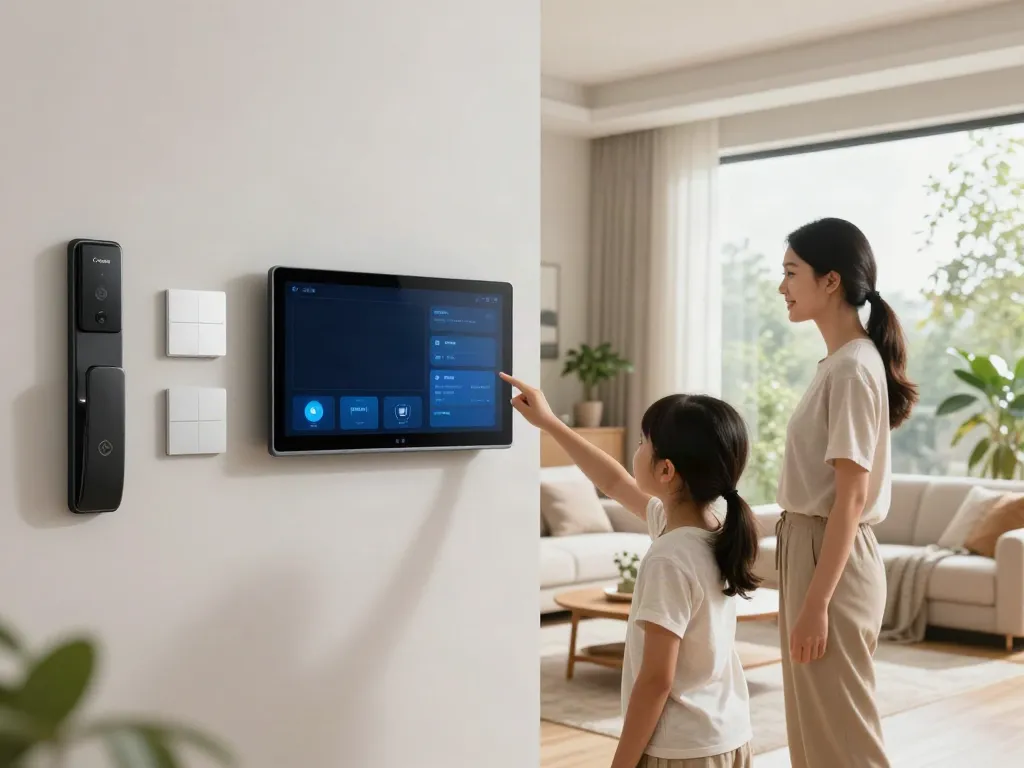
At its core, smart home technology refers to the devices, systems, and appliances connected to the internet that can be controlled remotely. This includes everything from smart thermostats and lighting to security systems and home entertainment. The goal is to create an automated environment that enhances comfort and efficiency while reducing the need for manual intervention.
Benefits of Smart Home Integration
- Convenience: Control multiple devices from a single interface, making everyday tasks easier.
- Energy Efficiency: Smart thermostats and lighting can help reduce energy consumption, leading to lower utility bills.
- Enhanced Security: Smart locks, cameras, and alarm systems provide real-time monitoring and alerts, improving home security.
- Increased Property Value: Homes equipped with smart technologies can command higher prices and attract buyers.
Common Misconceptions about Smart Homes
There are several misconceptions about smart home technology that can deter potential users. One common myth is that smart homes require extensive technical knowledge to operate. In reality, many systems are designed for easy installation and user-friendly operation. Another misconception is that smart homes are only for the wealthy; however, prices for smart devices have significantly decreased, making them accessible to a broader audience.
Key Products from جهان اسمارت
As a leader in smart home solutions, جهان اسمارت offers a wide range of products tailored to meet various needs. From smart audio systems to advanced security features, the selection available can transform any residence into a smart home.
Smart Audio Systems Overview
Smart audio systems offer a unique way to enhance your home entertainment experience. These systems allow you to stream music, control audio settings via voice commands, and integrate with other smart devices. With options ranging from ceiling speakers to portable smart speakers, you can choose the right solutions to fit your lifestyle.
Popular Smart Locks and Security Features
Security is a top priority for many homeowners, and smart locks provide a convenient solution. Brands like Bosch offer models such as the FU5PLUS and FU30PLUS, which feature advanced encryption and remote access capabilities. Additionally, facial recognition locks from Sharp model H7 ensure that only authorized individuals can enter your home.
Smart Lighting Solutions and Benefits
Smart lighting not only improves energy efficiency but also enhances the ambiance of your home. Products like the Benica touch smart switches allow you to adjust lighting scenes based on your activities, whether it’s movie night or a dinner party. The integration with smart home systems means you can control your lights with just your voice or smartphone.
Implementation Strategies for Smart Homes
Adopting smart home technology can seem daunting, but with the right strategies, the transition can be smooth and rewarding. Here are some steps to consider when implementing smart devices in your home.
Step-by-Step Guide to Installing Smart Devices
- Assess Your Needs: Determine which areas of your home you want to upgrade and what functionalities are most important to you.
- Choose Compatible Devices: Ensure that the devices you select can work together seamlessly, preferably using the same protocol (like Zigbee or WiFi).
- Installation: Follow manufacturer instructions for installation or consider hiring a professional for more complex systems.
- Configuration: Set up your devices through their respective apps to personalize their settings and connectivity.
- Test and Adjust: After installation, test the devices to ensure they function as expected and make any necessary adjustments.
Best Practices for Home Automation
To fully benefit from smart home technology, follow these best practices:
- Keep Software Updated: Regularly update your devices to ensure optimal performance and security.
- Create Routines: Automate daily tasks, such as turning off lights at bedtime or adjusting the thermostat when you leave home.
- Utilize Security Features: Take advantage of features like two-factor authentication and alerts for unauthorized access.
DIY Vs. Professional Installation: Pros and Cons
Deciding between DIY installation or hiring professionals can impact your smart home experience. DIY can save costs and allow for personalized setups, but it requires time and technical knowledge. On the other hand, professional installation can ensure that your system is set up correctly and efficiently.
Cost Considerations for Smart Home Projects
Understanding the cost implications of smart home projects is crucial for budgeting effectively. While some devices may seem expensive upfront, it’s essential to evaluate their long-term benefits and savings.
Initial Investment Costs and Setup
The initial investment in smart home technology can vary significantly based on the size of your home and the number of devices you plan to install. Basic systems can start at a few hundred dollars, while comprehensive setups can range into the thousands. It’s important to prioritize which devices will provide the most value to your home.
Long-term Savings and Energy Efficiency
One of the most significant advantages of smart home technology is the potential for long-term savings. Smart thermostats, for example, can significantly reduce heating and cooling costs by optimizing energy usage based on your patterns. Additionally, smart lighting can minimize electricity usage, leading to lower monthly bills.
Financing Options for Smart Home Upgrades
If upfront costs are a concern, explore financing options that allow for manageable monthly payments. Many companies offer financing plans or lease options for smart home technology, making it easier to start enjoying the benefits without the financial strain.
The Future of Smart Home Technology in 2026
As technology continues to evolve, the future of smart home solutions looks promising. Innovations in artificial intelligence and machine learning are expected to drive advancements in home automation, making systems even more intuitive and user-friendly.
Emerging Trends in Home Automation
Key trends include increased integration of AI for predictive analytics, where systems can learn your habits and make autonomous adjustments. Additionally, sustainability is becoming a focus, with more smart devices designed to reduce environmental impact.
Future Innovations from جهان اسمارت
جهان اسمارت is committed to staying at the forefront of smart home technology, continually expanding its product offerings. Upcoming innovations may include enhanced security solutions, more efficient energy management systems, and greater interoperability between devices.
How Technology Will Shape Future Living Spaces
In the coming years, smart homes will become increasingly interconnected, promoting a seamless lifestyle where everything from energy consumption to entertainment is optimized for user convenience. This will transform not only individual homes but also how communities interact with technology.
What are the Advantages of a Smart Home?
The advantages of a smart home extend beyond convenience. Smart homes provide enhanced security, increased energy efficiency, and the ability to customize your living environment, making it a worthwhile investment for modern homeowners.
Can Smart Home Devices Save Me Money?
Yes, investing in smart home devices can lead to significant savings over time. By optimizing energy usage and reducing waste, homeowners can see a noticeable drop in their utility bills.
How to Choose the Right Smart Devices for My Home?
When choosing smart devices for your home, consider factors such as compatibility, functionality, and your specific needs. Start with devices that will bring immediate benefits, such as smart thermostats or security systems.
What is the Best Way to Secure My Smart Home?
Securing your smart home requires proactive measures such as changing default passwords, enabling two-factor authentication, and regularly updating device software. Implementing these practices can significantly enhance your home's security.
How do I Get Started with Smart Home Automation?
Getting started with smart home automation involves assessing your needs, researching products, and determining your budget. Begin with a few key devices, then expand your system as you become more comfortable with the technology.